November 6, 2026
When summer heat arrives, a functioning air conditioning system shifts from a luxury to a daily necessity. Most homeowners only think about replacing their cooling equipment when it starts blowing warm air during a July heatwave. Waiting until your system fails during peak season usually leads to a stressful scramble for a replacement. Technicians are busy responding to emergency calls all over town. You might find yourself enduring uncomfortable indoor temperatures for days while waiting for an available appointment. Taking a proactive approach to your home cooling needs can save you from this mid-summer frustration.
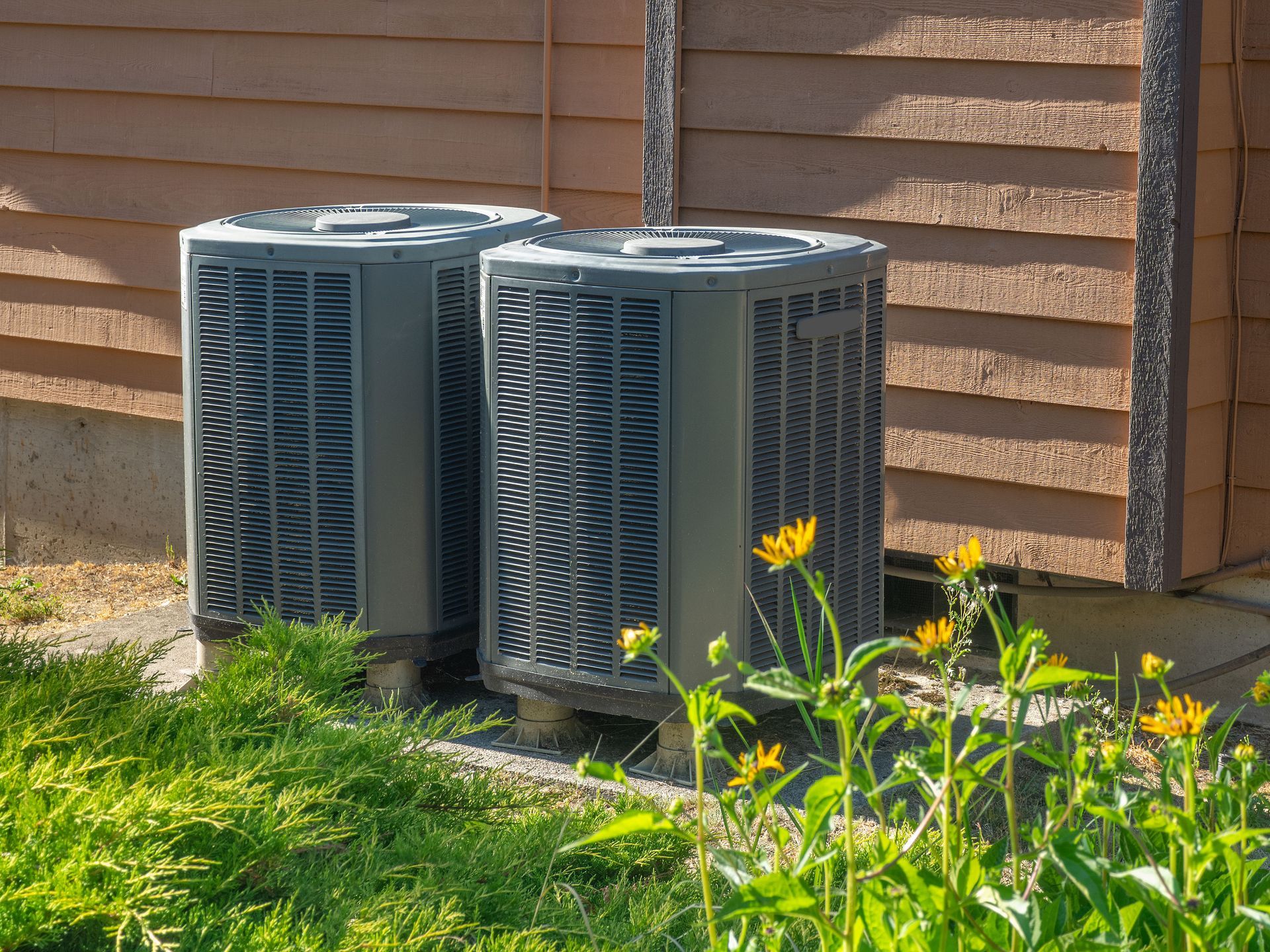
Choosing to replace your cooling system during the cooler months offers a wide range of practical benefits. From autumn through early spring, HVAC contractors experience a significant drop in emergency calls. This slower period is the ideal time to schedule AC installation services. By acting before the heat sets in, you gain control over the process. You can carefully evaluate your options and prepare your home for the impending summer heat without the pressure of an immediate breakdown.
1. Secure Faster and More Convenient Appointments
Scheduling home maintenance during peak seasons often requires rearranging your life to fit a narrow window. In the middle of summer, HVAC companies are inundated with emergency repair calls and urgent replacement requests. When you call for help in July, you might be placed on a waiting list that stretches out for a week or more. High request volumes mean dispatchers must prioritize the most critical situations.
The off-season presents a much different scenario. During the fall and winter months, the demand for cooling work drops off significantly. Technicians have more open slots on their daily routes. This reduced workload means you can secure AC installation services on a day and time that aligns with your personal schedule.
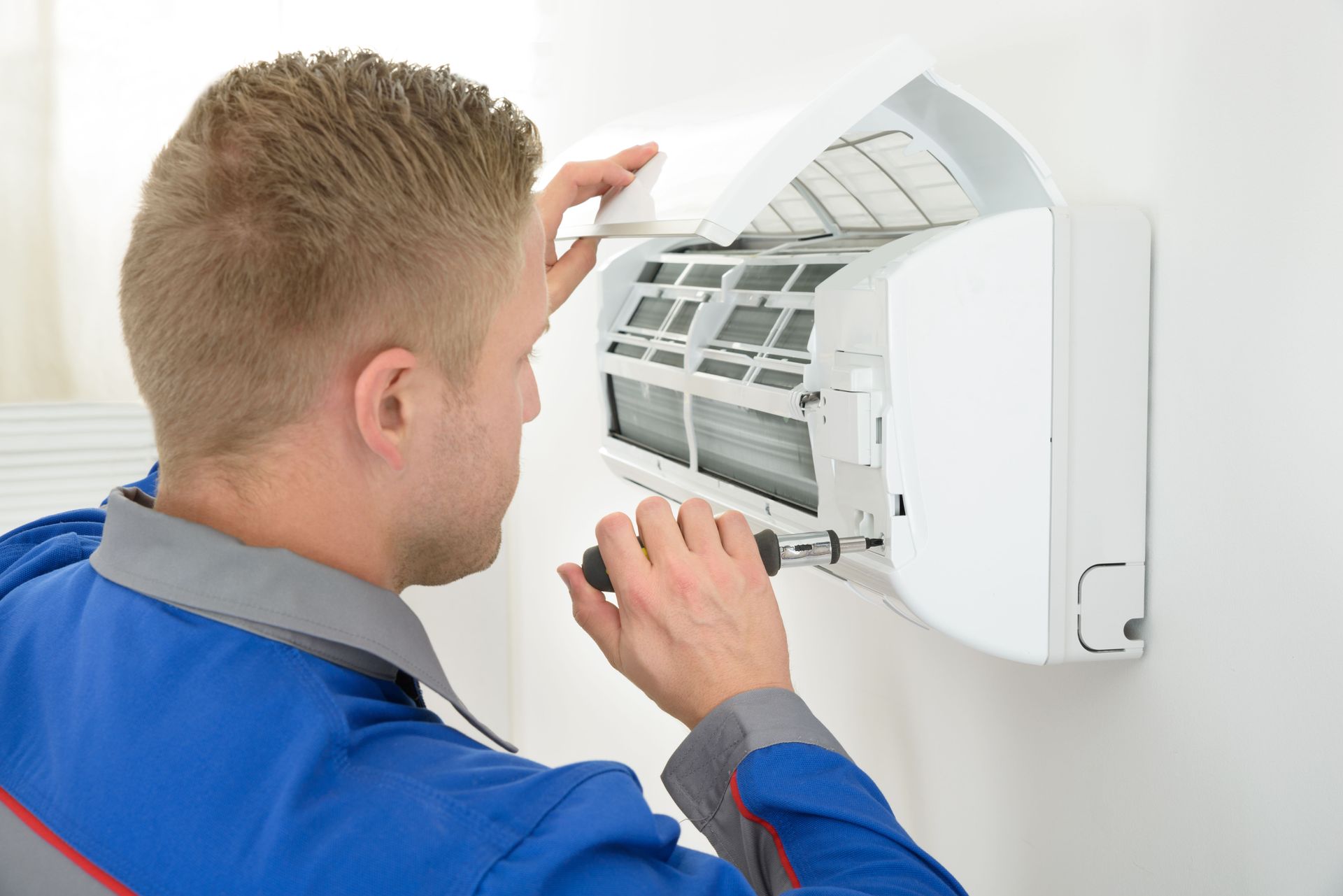
A relaxed schedule also translates to a smoother project timeline at your home. Installers don't feel rushed to finish your job and race to the next emergency call across town. They can take their time setting up the equipment, configuring the thermostat, and running tests to ensure everything operates smoothly.
This unhurried environment gives you time to ask questions about your new system. The technicians can walk you through the maintenance requirements and show you how to program your new smart thermostat. You receive a more personalized customer experience when the service team isn't battling a backlog of sweltering customers.
2. Take Advantage of Manufacturer Rebates and Deals
Cost is a major factor when replacing any home appliance. Air conditioning systems require a significant financial investment. Buying a unit during the height of summer means you're purchasing when demand is at its peak. High demand naturally keeps prices firm. Manufacturers and local dealers have little incentive to offer discounts when their inventory is flying out of the warehouse to address mid-July breakdowns.
As the weather cools down and demand decreases, the financial landscape shifts in favor of the consumer. Manufacturers want to clear out their current inventory to make room for newer models. To move these units, they frequently introduce attractive rebates and promotions. These financial incentives can amount to hundreds or even thousands of dollars in savings on premium equipment.
Many local contractors also run special off-season promotions to keep their crews busy during the slower winter months. You might find bundled deals that include discounted AC installation services along with a new furnace or upgraded ductwork. Combining these contractor specials with manufacturer rebates creates a prime opportunity to lower your total out-of-pocket expenses.
Financing terms often become more favorable during the off-season. Lenders and HVAC companies may offer zero-percent interest periods or extended repayment plans to entice homeowners to buy when the weather is cold. Taking the time to shop around in the fall or winter allows you to compare multiple quotes and hunt for the most aggressive pricing available in your local market.
3. Upgrade to High-Efficiency Systems Without the Rush
When your air conditioner dies during a heatwave, your primary goal is simply to get cold air flowing again fast. This urgency often leads to rushed decision-making. You might end up settling for whatever basic model the contractor has readily available on their truck that day. Rushing the process prevents you from researching advanced technologies that could save you money in the long run.
Shopping during the off-season gives you the room to evaluate high-efficiency models. You can review SEER ratings and variable-speed compressor options. A slower pace allows you to schedule a comprehensive load calculation for your home. Proper sizing is critical because an oversized unit will short-cycle, while an undersized unit will run constantly and drive up your utility bills.
Taking your time to research pays off when you select a top-tier energy-saving unit. According to ENERGY STAR data, putting in a modern high-efficiency cooling unit can slash your summer utility bills by as much as 20% when weighed against outdated models. Securing these long-term savings requires careful planning and precise sizing that is tough to accomplish during a frantic summer emergency.
You also have the luxury of time to read customer reviews and compare different brands. You can look into integrating smart home technology or adding a whole-house dehumidifier. Scheduling AC installation services in the winter gives you the freedom to build a custom cooling solution tailored to your specific comfort needs and energy goals.
4. Prevent Emergency Breakdowns Before Summer Arrives
There's nothing quite as frustrating as flipping your thermostat to cool on the first hot day only to hear silence. Older air conditioning systems are prone to failing just when you need them the most. Years of wear and tear leave internal components fragile. The sudden strain of operating after a long winter dormancy often triggers a major mechanical failure.
Waiting to see if an aging unit will survive one more summer is a risky gamble. Proactively replacing it in the off-season eliminates the anxiety of a potential breakdown. You enter the warm season with the peace of mind that comes from having new equipment.
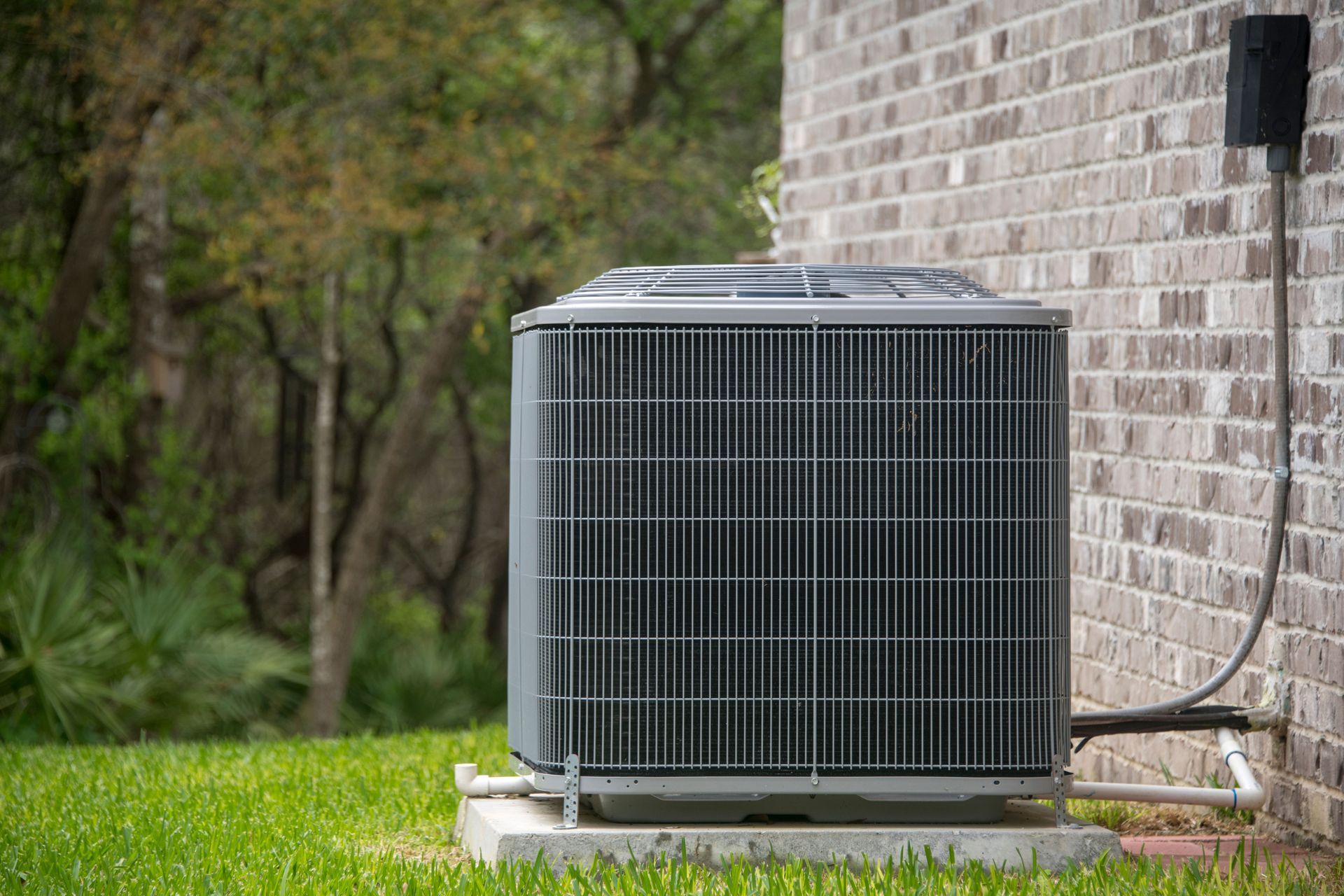
A planned replacement is less chaotic than an emergency swap. Planning ahead prepares your home and budget for the project. You can clear the area around your outdoor pad and make sure the indoor air handler closet is accessible. You won't deal with the stress of a sweltering house while installers move heavy equipment through your hallways.
Modern cooling systems also come with robust warranties that cover parts and labor for years. If a rare issue does arise during the summer, you're fully protected. Handling your AC installation services in November or February guarantees that your family will enjoy uninterrupted comfort from the very first heatwave to the last warm days of early autumn.
The traditional approach of waiting for a cooling system failure during the summer leaves you vulnerable to high prices, limited equipment choices, and frustrating scheduling delays. Shifting your timeline to the cooler months transforms a stressful emergency into a well-planned upgrade. You gain access to better pricing, more flexible technician availability, and the time needed to choose the most efficient equipment for your floor plan.
Don't let the winter chill distract you from the reality that summer is always right around the corner. Planning ahead is a smart way to manage your home maintenance budget while ensuring maximum comfort. Reach out to a local HVAC professional to discuss your AC installation services well before spring.
Call Mo's Heating & Air Conditioning today to schedule your off-season AC installation services and enjoy a comfortable home before the summer heat arrives.