November 11, 2026
Choosing a new air conditioning system involves more than selecting equipment with an attractive price or familiar brand name. The cooling capacity, configuration, and performance characteristics need to suit the property's size, layout, insulation, window placement, and typical occupancy. A system that is too small may struggle to maintain comfortable temperatures during periods of high demand, while an oversized unit may cycle on and off too frequently. A professional assessment helps connect equipment selection with the actual conditions inside the home. An AC installation company can use this information to recommend equipment suited to the property. An AC installation company can evaluate these details before recommending a system.
Improve Cooling Performance and Comfort
A properly selected air conditioner should distribute cooled air effectively throughout the spaces it serves. Inconsistent temperatures, weak airflow, and rooms that remain warm can indicate that the equipment or distribution system is not meeting household demands. A qualified professional can consider the system as a whole, including the equipment, thermostat, and duct connections. Correct installation also matters to the way the equipment operates after the project is complete. Connections, refrigerant lines, drainage components, and electrical requirements must be handled according to equipment specifications and applicable standards. If these details are overlooked, the system may not deliver the performance expected from the selected model. Professional installation helps establish the conditions needed for reliable cooling and more consistent indoor comfort. An AC installation company should also verify that the system starts and operates as intended.
Protect Equipment Through Proper Installation
Air conditioning systems contain components that must work together under specific operating conditions. Incorrect connections, inadequate drainage, improper refrigerant charge, or unsuitable airflow can contribute to operational problems. Professional installation helps reduce the likelihood of avoidable problems by following the manufacturer's requirements and established procedures. An experienced AC installation company understands that the work involves more than positioning the indoor and outdoor equipment. Technicians must account for clearances, line routing, condensate management, electrical connections, and system start-up procedures.
Support Energy Efficiency and Operating Costs
Cooling equipment can account for a meaningful share of household energy use, particularly during hot weather when systems run frequently. Selecting an appropriately sized, efficient model is one part of managing that demand, but installation quality also influences how effectively the equipment performs. Poor airflow, incorrect setup, or problems with duct connections can reduce the benefits associated with efficient equipment. A properly planned installation considers both the product and the conditions in which it will operate. An AC installation company can help homeowners compare efficiency features in the context of their homes. A professional can explain efficiency ratings and describe how equipment features may relate to household cooling needs. Discussing these considerations before work begins gives homeowners a clearer understanding of the options.
Meet Electrical and Mechanical Requirements
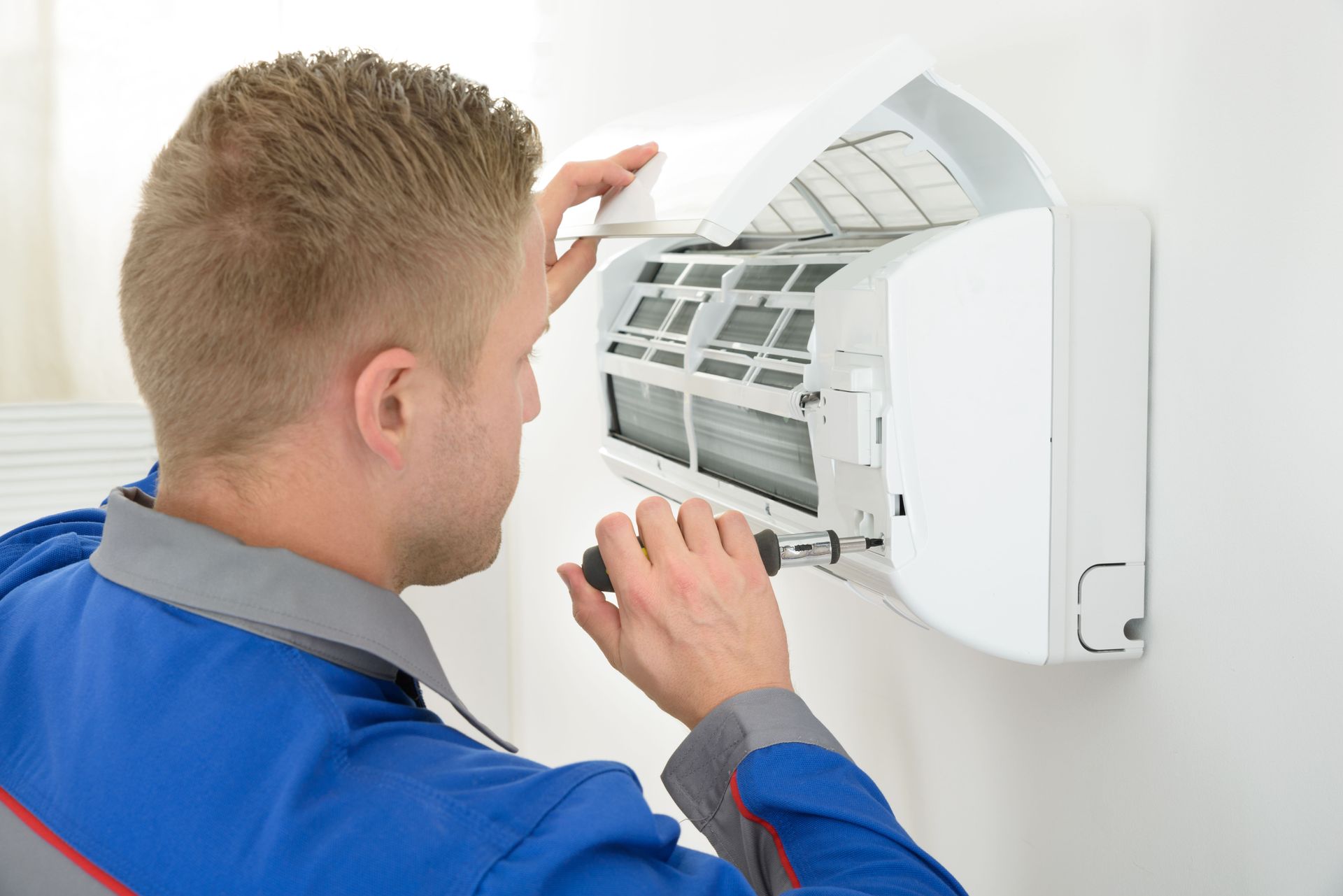
Air conditioning installation involves electrical and mechanical work that must be completed with attention to safety and equipment specifications. The system may require dedicated electrical circuits, correctly sized wiring, secure connections, and suitable protection. Mechanical components also need appropriate placement and connection to support airflow, refrigerant movement, and condensate removal. Hiring a qualified AC installation company means having professionals who understand the technical requirements associated with the equipment being installed. They can identify conditions that may need attention before the new system is connected and ensure that installation steps follow relevant codes and manufacturer instructions. Professional handling helps homeowners avoid the risks associated with improper electrical or mechanical work.
Benefit From Industry Knowledge and Training
Heating and cooling technology continues to develop, with manufacturers introducing equipment that includes updated controls, efficiency features, and installation requirements. Technicians need relevant training to understand how different systems operate and how their components should be configured. According to the U.S. Bureau of Labor Statistics, employment for heating, air-conditioning, and refrigeration mechanics and installers is projected to increase by 11% between 2025 and 2035, compared with projected growth of 3% across all occupations. For homeowners, working with knowledgeable technicians can make the installation process easier to understand. Professionals can explain equipment options, outline the steps involved, and answer questions about system operation. Clear explanations help homeowners make informed decisions without having to interpret technical specifications on their own.
Coordinate the Project From Start to Finish
Installing a new air conditioner involves several stages, from evaluating the property and selecting equipment to removing existing components and commissioning the new system. A professional team can explain what the project involves, identify areas that need to be accessible, and communicate when different parts of the work are expected to take place. An AC installation company can also coordinate the technical steps required to bring the system into service. After equipment is installed, technicians typically check connections, verify operation, and review key system functions. The homeowner should receive information about the thermostat, basic operating features, and any recommended maintenance requirements. This final review also gives residents a chance to clarify questions before relying on the new system. A clear handoff helps ensure that the household understands the new equipment and knows whom to contact with follow-up questions. Proper coordination also helps ensure that equipment placement and system connections are considered in relation to the home's existing layout.
Receive Recommendations for Long-Term System Care
A new air conditioner requires routine attention to continue operating as intended. Filter care, periodic professional maintenance, and attention to unusual noises or performance changes can all be relevant to long-term system management. During installation, technicians can explain the maintenance needs associated with the selected equipment and point out features that may affect service requirements. Professional guidance is also useful when homeowners have questions about system settings, airflow, or changes in cooling performance. Understanding these details can help homeowners take a more informed approach to caring for their investment.
Choose a Team That Communicates Clearly
The installation experience includes more than the technical work performed at the property. Homeowners should understand what equipment is being recommended, why it is appropriate, what the project includes, and what limitations or additional considerations may apply. Clear communication makes it easier to compare options and set reasonable expectations before work begins. The
AC installation company should explain the scope before the project starts. When selecting an AC installation company, consider whether the team takes time to assess the home and explain its recommendations. A professional approach should include transparent discussion of the equipment, installation process, and expected next steps. Homeowners should feel informed rather than pressured to make a quick decision.
A new air conditioning system can influence indoor comfort, energy use, and the day-to-day experience of living in your home. Choosing suitable equipment and having it installed correctly are both important parts of achieving the performance the system is designed to provide. Professional guidance can help you understand your options, account for your home's requirements, and prepare for the installation process. Taking time to evaluate these factors can make the decision more straightforward.
At Mo's Heating & Air Conditioning, we work with homeowners to understand their cooling needs and discuss air conditioning solutions suited to their properties. Our team can help explain equipment choices, review installation considerations, and answer questions about the process. We want you to have clear information as you plan an important improvement to your home's comfort. Contact Mo's Heating & Air Conditioning to discuss your project and arrange professional AC installation.